
About us
About Camphill Häggatorp
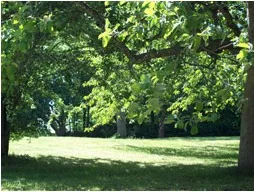
Camphill Häggatorp, founded in 2003, strives to create an active, natural living and working situation involving people with special needs.
Our aim
Essential is to support and assist the person with special needs in their own personal development, by creating an atmosphere of common ground with so-called normal people.
Co-workers work side by side in the workshops, and an important part of this endeavour is that the cultural aspect of life is integrated into the weekly rhythm. This includes the celebration of the annual festivals, which strengthen and harmonise life in general.
What is Camphill
Camphill is based on the anthroposophical teachings of Rudolf Steiner. It is the name given to the movement founded by Dr Karl König, a Viennese paediatrician who, along with some other people, committed himself to working with children with special needs. The first place was established in 1939 at the Camphill estate near Aberdeen, Scotland.
Work life
The real value of one's work depends very much on how it can be used by others. In this sense, it is the dedication to and respect for its practical application that makes it valuable. Each product has gone through a process that involves many in the community, both co-workers and people with special needs, and the result is a reflection of that process of working together.
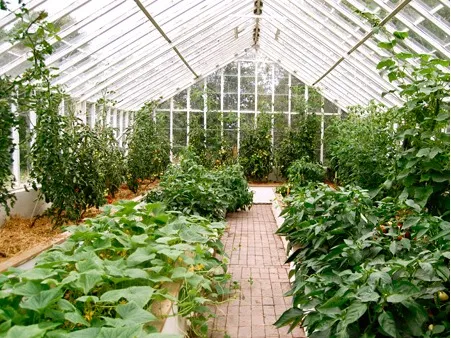
To establish workshops which people can identify themselves with and be proud of is the road to integration, and being part of this process leads to responsibility within one's own sphere of possibilities. We have a small vegetable garden and two horses as part of our workshops. Some work is also carried out in the forest, and we spend time renovating buildings and improving the garden on the estate.
Cultural life
Every individual has the possibility to create, in small or in grand style, and being creative is very much the essence of being human. This creative potential can only develop out of the free expressiveness that earthly life gives. Restraints come from many external and internal factors, but art is an essential tool for colouring daily life with creative forces.
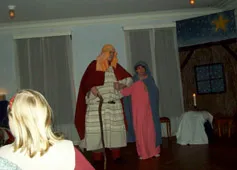
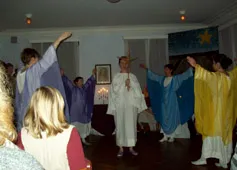
At Häggatorp, we have regular musical events and eurythmy in our weekly schedule, and would also like to include other forms of art.
Background
Rudolf Steiner (1864–1925) founded the anthroposophical movement, together with a large number of co-workers, out of the Theosophical Society at the beginning of the 20th century. He developed a method of reasoning and practice beyond a materialistic approach. After completing his studies he worked on compiling the scientific work of Goethe, who became a great inspiration for his later life. He held twelve lectures in Dornach which have been a source of inspiration for anthroposophical enterprises working with people with special needs.
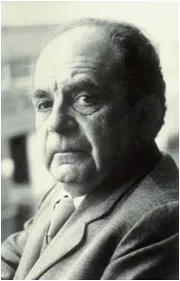
One person who was inspired by this series of lectures, and by much of Steiner's other work, was Karl König (1902–1966). Early in his life he came into contact with Ita Wegman, a friend and co-worker of Steiner, whose activities made it possible for König to start the work with people with special needs in Aberdeen in 1939.
The region
Camphill Häggatorp lies just outside the village of Vedum, which has around two thousand inhabitants, a bank, a few shops, a post office and a train station. Gothenburg, the centre of the Swedish west coast, is about one hour and twenty minutes away. The nearby towns of Herrljunga and Vara, ten kilometres from Vedum, are reached by regular bus and train services.
Camphill Häggatorp is also part of a circle of anthroposophical enterprises in the area, including the Waldorf school Linnéskolan and Annagården in Alingsås. Just outside Alingsås there is a biodynamic farm, and outside Vedum there is a biodynamic beekeeper. Just north of Gothenburg there is an anthroposophical home for adults with special needs and a school for children with special needs.
Photos
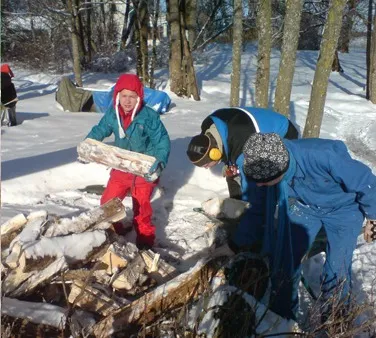
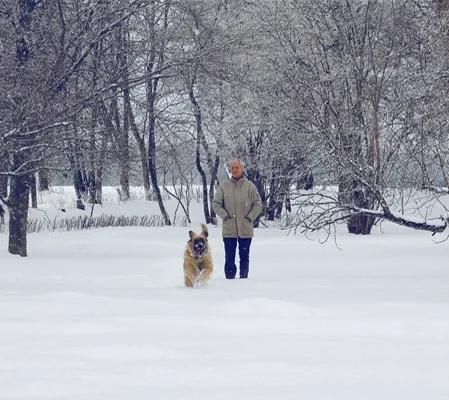
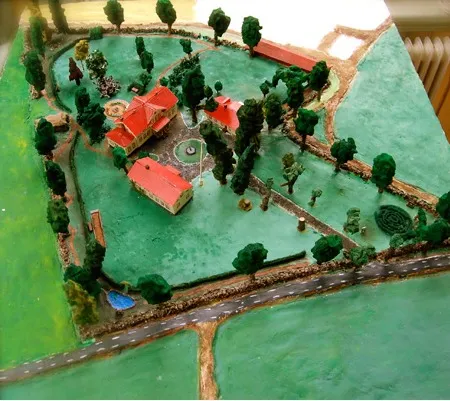
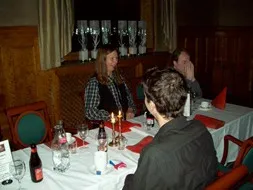
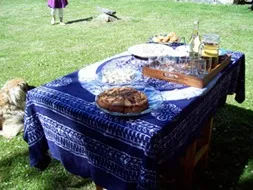
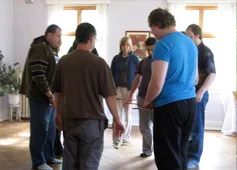
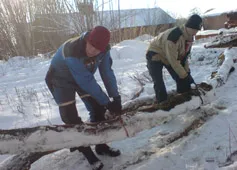
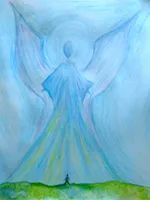
From life at Häggatorp
Network
Member of Svenska Vård
Camphill Häggatorp is part of Svenska Vård, a trade association for private providers of care, rehabilitation and education for people in need of special care.
Svenska Vård
Our membership gives us a network of colleagues who work actively to improve the quality of life for people with disabilities, and a forum for dialogue and education.
Visit website: Svenska Vård
Would you like to know more about Camphill Häggatorp?
Get in touch with your questions about our home, the daily activities or working with us.
Social life
To relate to people with special needs as if they were patients or children hinders the process of becoming participatory and responsible in many social contexts. It is therefore important to decrease the difference between the so-called normal person and the person with special needs, and to pay attention to how mutuality is expressed.
At the same time, in the same spirit of understanding of each person's destiny, there is also a need for guidance grounded in ideals that are truthfully carried. Finding a balance in this is a difficult and sometimes overwhelming task. Time for genuine talks and moments of joy are a necessary combination for a healthy social life, together with clear rules based on human warmth.